





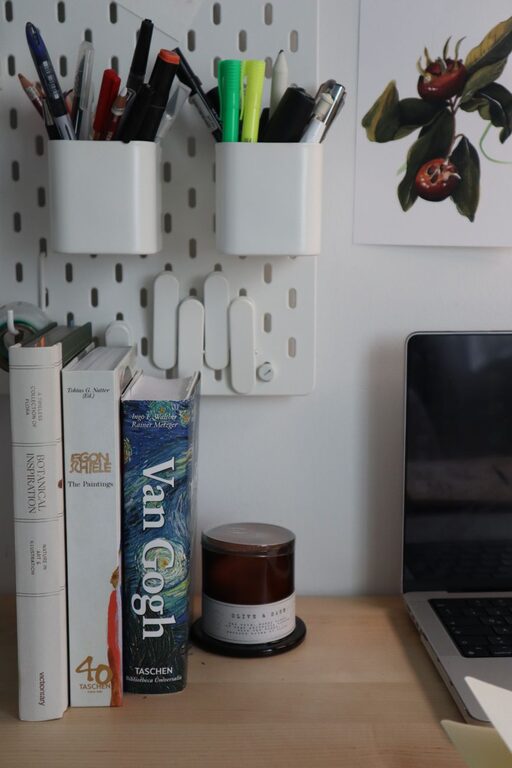
Paper clutter is a common problem in many households. From mail and bills to school papers and receipts, it’s easy for papers to pile up and create a messy, overwhelming environment. Reducing this clutter can help you feel more organized and make it easier to find important documents when you need them. Here are some simple and practical ways to reduce household paper clutter.
Why Reduce Paper Clutter?
Before diving into tips, it’s helpful to understand why reducing paper clutter matters:
– Improves organization: Less paper means fewer distractions and a neater space.
– Saves time: You spend less time searching for documents.
– Reduces stress: A clean, clutter-free area helps create a calm environment.
– Supports the environment: Reducing paper use helps save trees and reduces waste.
1. Start with a Paper Declutter Session
Begin by gathering all the paper in your home. This could include mail, magazines, bills, schoolwork, receipts, and old documents. Sort them into categories such as:
– Important documents (tax records, legal papers)
– Bills to pay
– Mail to read or respond to
– Items to file or keep
– Junk mail and recycling
Once sorted, recycle or shred junk mail and unnecessary papers. Keep only what you truly need.
2. Create a Dedicated Paper Station
Set up a specific spot in your home for handling paper. This could be a small desk, a corner, or a filing cabinet. Equip it with:
– A letter tray or inbox for incoming mail
– Files or folders for different categories (bills, warranties, school papers)
– A shredder for sensitive documents you want to discard
– A recycling bin nearby
Having a dedicated space encourages you to deal with paper promptly and keeps it from spreading around the house.
3. Go Paperless When Possible
Many companies and services offer paperless options. Consider switching to:
– Electronic bills and statements
– Online banking and payments
– Digital subscriptions for magazines and newspapers
– Email receipts instead of printed ones
Going paperless not only reduces clutter but also makes it easier to organize and search your documents on a computer or mobile device.
4. Sort Mail Immediately
Don’t let mail pile up. Sort it the moment it arrives. Quickly decide whether it needs action, filing, or recycling. This prevents stacks of paper from accumulating on counters or tables.
5. Use a Filing System That Works for You
A good filing system helps keep important documents organized and accessible. Some tips include:
– Use broad categories like “Bills,” “Medical,” “School,” or “Receipts”
– Label files clearly
– File papers as soon as possible to avoid backlogs
– Purge outdated papers regularly (for example, after tax season)
Choose a system you find easy to maintain so you stay consistent.
6. Limit Paper for Kids’ Artwork and Schoolwork
Children often bring home a lot of paper, from artwork to homework. To manage this:
– Keep a designated folder or box for each child’s important papers
– Set a limit for how much you keep (for example, 10 favorite art pieces)
– Take photos of artwork before recycling the originals
– Encourage kids to help decide what to keep and what to discard
This method honors their creativity while preventing an overwhelming buildup.
7. Regularly Review and Purge Papers
Set aside time monthly or quarterly to review your papers. Toss what you no longer need and shred anything with personal information. Regular purging stops clutter from growing and keeps your system manageable.
8. Digitize Important Documents
For extra security and reduced clutter, scan important papers and save them digitally. You can use:
– A scanner or smartphone scanning apps
– Cloud storage for easy access and backup
– Organized folders on your computer
Keep a backup in case the physical copy is lost or damaged, and shred the originals if no longer needed.
9. Manage Receipts and Warranties Efficiently
Receipts and warranty papers can pile up quickly. Try these tips:
– Keep only receipts needed for returns or taxes
– Store warranties and manuals in a labeled folder or binder
– Use envelopes or accordion folders for different categories
– Discard expired warranties and irrelevant receipts regularly
10. Avoid Unnecessary Paper in the Future
To minimize future clutter:
– Unsubscribe from junk mail and catalogs you don’t use
– Opt for digital coupons and tickets
– Use note-taking apps instead of paper notes
– Encourage family members to follow the same habits
Final Thoughts
Reducing paper clutter at home takes some effort and ongoing attention, but it’s worth it for the benefits to your space and mindset. By sorting, organizing, going paperless, and regularly purging, you can maintain a tidy, paper-free home environment. Start small with one or two of these tips today and enjoy the calm and clarity that comes with less clutter.




More Stories
Small Space Storage Ideas That Really Work