





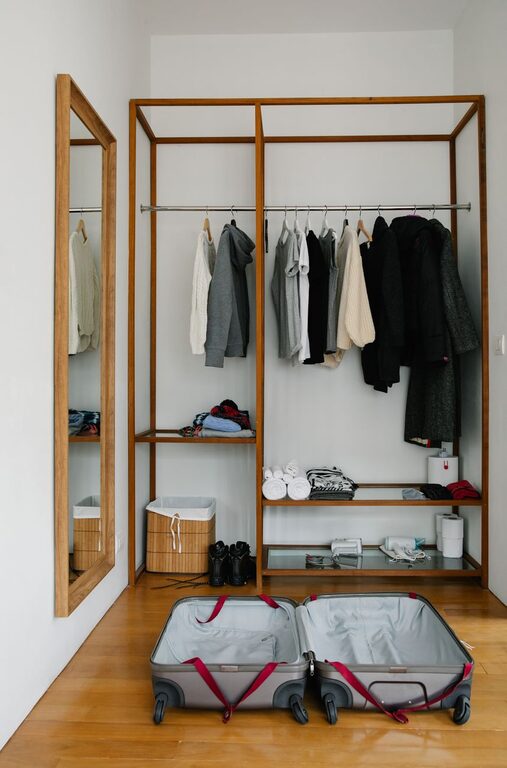
Storing seasonal clothes can be a challenge, especially when space is limited. Whether you’re packing away winter coats or summer dresses, doing it efficiently can save you time, protect your garments, and keep your living space clutter-free. This guide will walk you through practical tips to organize and store your seasonal wardrobe effectively.
Why Proper Storage Matters
Proper storage helps preserve your clothes, preventing damage from moisture, dust, pests, and wrinkles. It also makes your seasonal rotation smoother, so when the weather changes, you can easily access what you need without the hassle of digging through piles.
Preparing Clothes for Storage
Before packing away your seasonal clothes, take these steps to ensure they stay in great condition:
1. Clean Everything Thoroughly
Always wash or dry clean clothes before storing. Dirt, sweat, and stains can attract moths and cause fabric deterioration over time.
2. Repair and Mend
Check for loose buttons, small tears, or broken zippers and fix them. This saves you from facing bigger repairs when you pull them out again.
3. Dry Completely
Make sure your clothes are completely dry to prevent mold and mildew growth. If needed, air dry items in a well-ventilated area.
Choosing the Right Storage Containers
Selecting the appropriate containers can make a big difference in how well your clothes stay preserved.
1. Use Breathable Bags and Boxes
Avoid plastic bags which can trap moisture. Opt for cotton garment bags, breathable fabric bins, or clear plastic containers with ventilation holes.
2. Consider Vacuum-Sealed Bags
For bulky items like winter coats or thick sweaters, vacuum-sealed bags can save space and protect against moisture and pests. However, avoid long-term storage in these bags for delicate fabrics as they may cause creasing.
3. Label Everything
Clear labeling on containers will save you time hunting through boxes later. Include the type of clothing and season on each container.
Best Storage Locations
Where you store your clothes affects their condition.
1. Avoid Basements and Attics
These areas often have fluctuating temperatures and humidity. Instead, choose a cool, dry closet or under-bed storage.
2. Keep Clothes Off the Floor
Using shelving or raised storage bins prevents damage from accidental spills or pests.
3. Utilize Vertical Space
Install hooks or hanging organizers inside closets or doors to keep items neat and accessible.
Organizing Clothes Within Storage
Proper organization helps keep clothes wrinkle-free and easy to find.
1. Fold and Stack Wisely
Fold heavier items like sweaters to maintain shape. Use shelf dividers if stacking to keep piles tidy.
2. Hang Delicate or Wrinkle-Prone Items
Use padded or wooden hangers inside garment bags for delicate fabrics that wrinkle easily.
3. Use Tissue Paper
Place acid-free tissue paper between folded clothes to minimize creases and protect fabric.
Tips for Maintaining Stored Clothes
Seasonal storage isn’t just about packing away; occasional maintenance helps preserve your wardrobe.
1. Air Out Clothes Periodically
Every few months, take clothes out to air them and check for any signs of damage or pests.
2. Use Natural Pest Deterrents
Cedar blocks, lavender sachets, or herbal moth repellents can keep bugs away without harsh chemicals.
3. Refresh Storage Spaces
Clean shelves and storage bins before repacking each year to maintain a fresh environment.
Maximizing Small Spaces for Seasonal Storage
If you’re tight on space, here are some creative solutions:
– Use under-bed storage containers for off-season shoes or clothes.
– Install over-the-door racks or organizers.
– Store rarely used items in vacuum bags placed on high shelves.
– Use multi-functional furniture with hidden storage compartments.
Final Thoughts
Efficiently storing seasonal clothes is a straightforward process with the right preparation, containers, and organizational methods. By taking care of your wardrobe during off-seasons, you extend the life of your garments and make your daily dressing routine easier. With these tips in mind, your seasonal clothing storage will be neat, accessible, and ready when the weather calls for it again.




More Stories